Croyde Surf Forecast | Surf Report | Croyde Bay Conditions Guide (2026)
If you’re planning a surf in North Devon, one of the first things you’ll probably search is:
“What are the surf conditions in Croyde Bay today?”
Croyde is one of the UK’s most consistent surf beaches, but like any exposed Atlantic beach break, conditions change daily depending on swell, wind and tide.
In this local guide we’ll explain:
How to read the Croyde surf forecast
What the best wind direction is for surfing here
How tides affect the waves
When conditions are good for beginners
Where to check the live Surfline surf cam
Whether you’re visiting for the first time or checking conditions before a dawn patrol, this guide will help you understand how Croyde works.
Croyde Bay Surf Forecast
Most surfers check the Croyde surf forecast before heading to the beach. The easiest way to do this is using Surfline, which provides:
Live surf cameras
Swell height and direction
Wind speed and direction
Tide information
Wave quality ratings
Seeing the beach live is one of the best ways to judge conditions before you grab your wetsuit.
However, forecasts only tell part of the story. Understanding how swell, wind, and tide interact with Croyde’s sandbanks makes a huge difference.
How to Read the Croyde Surf Forecast
If you’re new to surfing, surf forecasts can look a bit confusing at first.
Here are the key things to look at.
Swell Size
This tells you how big the waves are expected to be.
Typical ranges in Croyde:
1 – 2 ft: Small but surfable for beginners
2 – 4 ft: Fun conditions for most surfers
4 – 6 ft: Powerful waves suited to intermediates
6 ft+: Advanced surfers only
Because Croyde faces the Atlantic, it picks up swell very easily. Even small swells can produce good waves.
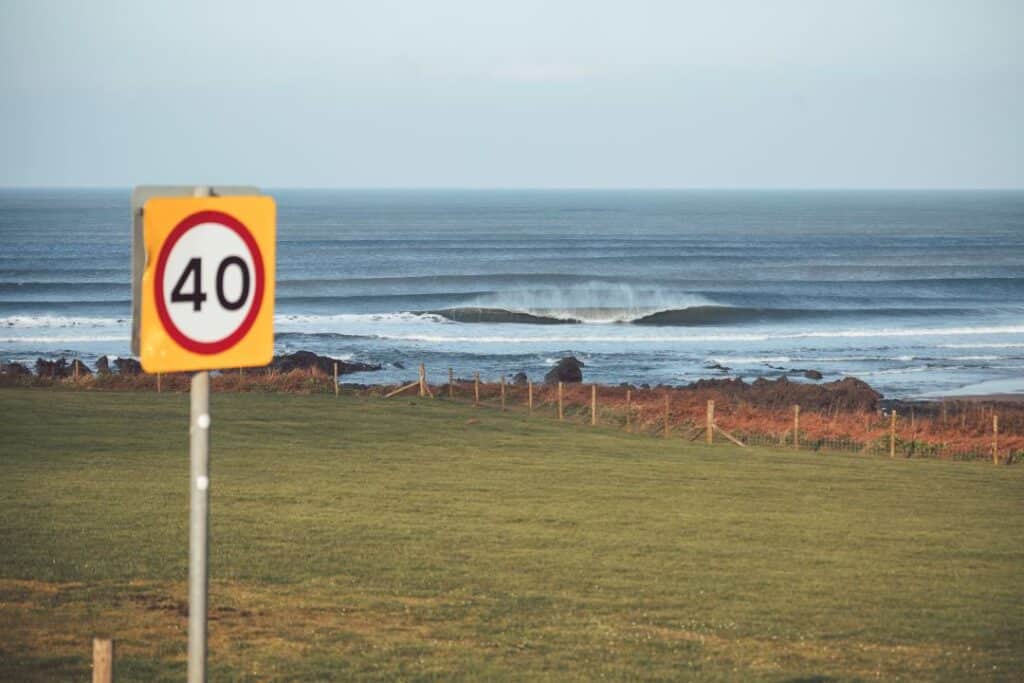
Croyde works best with west and northwest swells.
These swells travel straight across the Atlantic and hit the beach directly, creating the powerful beach break waves the bay is known for.
Wind Direction Explained (Very Important)
Wind direction can make or break the surf.
In Croyde, the best winds are:
Offshore Winds (Best)
East or south-east winds blow from the land out to sea.
This helps hold the waves up and create clean, well-shaped surf.
You’ll often hear surfers say:
“It’s offshore today.”
That’s usually when the waves look their best.
Cross-shore Winds
North or south winds blow across the beach.
These can make waves slightly messy, but often still surfable.
Onshore Winds (Worst)
West winds blow directly into the beach.
This tends to make the waves:
Choppy
Broken
Less powerful
You can still surf, but conditions are usually poorer.
How Tides Affect Surfing in Croyde Bay
Tide has a big impact on how the waves break here.
Croyde has a large tidal range, which means the surf can change significantly throughout the day.
Low Tide
Low tide in Croyde can produce powerful, hollow waves, but they can close out quickly.
This is often better suited to experienced surfers.
Mid Tide
Mid tide is often the sweet spot.
The waves tend to break more evenly across the sandbanks and can be suitable for a wide range of surfers.
Many surf lessons take place around this tide window.
High Tide
High tide can sometimes make waves slower and softer.
However, it can also be a great time for beginners, as waves may be less powerful.
When Are Conditions Good for Beginner Surfers?
If you’re learning to surf, ideal conditions are usually:
1 – 3 ft waves
Light offshore or light winds
Mid to high tide
Small to medium swell
These conditions make waves easier to catch and more forgiving.
At Surfing Croyde Bay, our instructors check conditions daily and choose the safest areas of the beach for lessons.
You may see both terms used online.
SURF FORECAST
A prediction of what the waves will be like in the future
SURF REPORT
A real-time description of the current surf conditions.
Reports usually include:
Wave height
Wind conditions
Tide stage
Overall wave quality
Using a live surf cam alongside the forecast is the best way to understand what’s actually happening.

Watching the Croyde Surf Cam
The easiest way to check conditions instantly is with a live surf camera.
This lets you see:
-
Wave size
-
Crowds
-
Wind texture on the water
-
Sandbank shape
Many visitors check the camera before deciding whether to book a surf lesson or hire equipment.
Local Tip: Croyde’s Sandbanks Change
Unlike reef breaks, Croyde is a sandbank beach break.
That means the shape of the waves changes throughout the year as sand moves around the bay.
This is why local knowledge can be useful.
Surf schools that operate here every day quickly learn:
Where the best beginner banks are
When certain parts of the beach work better
How tides affect different sections of the bay
Planning Your Surf in Croyde
To summarise, the best things to check before surfing Croyde are:
✔ Surf forecast
✔ Wind direction
✔ Tide time
✔ Live surf cam
When everything lines up, Atlantic swell, light offshore wind, and the right tide, Croyde produces some of the best beach break waves in the UK.
Surfing in Croyde Bay
If you’re visiting the area and want to get in the water, Surfing Croyde Bay offers:
-
Local knowledge of the best conditions each day
Our team checks the surf forecast and beach conditions daily to make sure lessons run in the safest and most suitable waves.
Ready to Surf?
If today’s forecast looks good, you can:
-
Or simply come down and enjoy the waves
Croyde is one of the most iconic surf beaches in the UK, and when the conditions line up, it’s easy to see why.